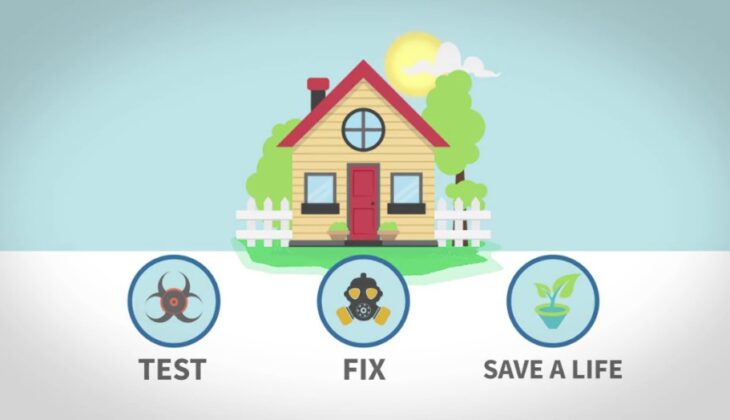
Radon is a naturally occurring gas that comes from the breakdown of uranium in soil, rock, and water. It’s invisible, tasteless, and odourless, which makes it particularly dangerous because it can seep into your home without you ever knowing. Over time, exposure to high levels of radon may lead to serious health concerns, particularly when it accumulates in enclosed spaces such as basements or ground floors. This is why regular radon testing is considered an essential step in maintaining a healthy living environment.
While most people are familiar with more visible threats to their health and safety at home, like mould or carbon monoxide, radon often goes ignored. Yet, its effects can be just as harmful, if not more so, especially when it lingers unnoticed for years. The gas moves up from the ground and enters through cracks in floors, walls, or foundations. Without testing, there’s simply no way to detect its presence.
Why Homes of All Types May Be at Risk
There’s a common belief that only certain areas or types of buildings are vulnerable to radon, but the truth is, any home—new or old, insulated or drafty, can contain elevated levels. Whether you live in a densely populated city or a quiet rural setting, radon doesn’t discriminate. It can be present regardless of how or when your property was constructed.
The concentration of radon can vary greatly, even between neighbouring properties. What this means is that assumptions aren’t enough. Even if a nearby home had low levels, yours could be different. That’s why testing is not only useful but also necessary. It gives you a clear understanding of your indoor air quality and helps you take informed steps to reduce risk if needed.
When and How to Consider Testing
Although there is no ‘perfect time’ to test, professionals often suggest it during the colder months when homes are closed up and radon levels can rise more quickly. However, it’s never too late or too early to be cautious. Some prefer to test when buying or selling a property, while others incorporate it into annual maintenance checks—much like chimney inspections or roof evaluations.
You can choose between short-term and long-term radon testing methods. Short-term kits give you a quick snapshot, usually within a few days, while long-term testing, conducted over several months, provides a more accurate reflection of your home’s average radon levels. Both methods serve different purposes but ultimately contribute to peace of mind.
Reducing Risk and Staying Proactive
If radon levels are found to be above recommended thresholds, that doesn’t mean you have to panic. There are effective methods available to lower the concentration and keep it under control. The key is addressing the issue early on. Ignoring it could lead to prolonged exposure, which may increase the risk of respiratory issues over time.
Simple ventilation improvements, sealing foundation cracks, or installing a specialised radon mitigation system can make a noticeable difference. But none of these solutions can begin without the initial step—testing. Knowing your home’s radon level is the foundation of any effective risk reduction strategy.
The Role of Awareness in Community Safety
Homeowners aren’t the only ones who benefit from testing. When more people become aware of the issue, communities as a whole become safer. Schools, workplaces, and other public buildings should also be monitored. Encouraging open conversations about radon, what it is, why it matters, and how it can be managed helps build a collective responsibility towards indoor air quality.
There’s also value in raising awareness among those who may not have access to proper information or resources. Ensuring that everyone understands the importance of radon safety contributes to wider public health and well-being.
Conclusion – A Small Step That Makes a Big Difference
Taking the time to schedule or perform radon testing may not feel urgent, but it is one of the most important actions you can take for long-term health and safety. It’s an easy, cost-effective way to understand what’s happening in the air you breathe every day. Whether you’re living in a newly built home or a century-old cottage, the radon potential exists, and ignoring it doesn’t make it go away.
So, while it might not be visible, it certainly isn’t harmless. Protect your space, prioritise your health, and let testing be a natural part of caring for your home and your loved ones.